

Pastor at First Baptist Church of Clinton, Louisiana, Professor at CBTS and IRBS.
Clinton, LA
Joined May 2019
- Tweets5.7K
- Following833
- Followers7K
- Likes27.6K



Pinned Tweet
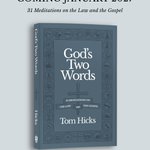
My new book God’s Two Words: 31 Meditations on the Law and the Gospel.
“It is with great joy that I recommend this book on the law and the gospel to all. I have tried to preach it for 56 years, have taught it in my seminary classes, and am still learning. I wish I had obtained this book from the beginning. Dr. Hicks has done a superb job of clarifying law-gospel theology throughout the book. All roads lead to Christ in this work. But his pastoral application of its truth will be most helpful to pastors to learn how to preach it and to every Christian to learn how to live it out in life. It is both theologically correct and devotional in tone. I have learned much from my former intern and now senior pastor. Please read it.” - Fred Malone
Introduction
1. God and His Law
2. The Law of God
3. The Three Uses of Moral Law
4. The Law as a Covenant
5. God and His Gospel
6. The Gospel as a Promise
7. The Gospel as a Covenant
8. Law and Gospel in Justification
9. Law and Gospel in Sanctification
10. Law and Gospel in Assurance
11. The Three Motions of Law and Gospel: Law, Gospel, Gospel Obedience
12. The Differences and Agreement Between Law and Gospel
13. Some Wrong Uses of the Law
14. Law and Gospel Against Legalism
15. Law and Gospel Against Antinomianism
16. Legal Faith vs. Gospel Faith
17. Legal Repentance vs. Gospel Repentance
18. Legal Fear vs. Gospel Fear
19. The Gospel and God’s Fatherly Discipline
20. The Law’s Authority and Faithful Motives to Obedience
21. Law and Gospel and Indwelling Sin
22. The Necessity of Gospel Obedience to the Law
23. Law and Gospel in Union and Communion with Christ
24. Law and Gospel in Spiritual Warfare
25. Law and Gospel and the Downcast Soul
26. Law and Gospel in Christian Liberty
27. Law and Gospel in Marriage
28. Law and Gospel in Parenting
29. Law and Gospel in the Church
30. Law and Gospel and the Great Commission
31. Law and Gospel and Judgment Day

Tom Hicks retweeted
My new book God’s Two Words: 31 Meditations on the Law and the Gospel.
“It is with great joy that I recommend this book on the law and the gospel to all. I have tried to preach it for 56 years, have taught it in my seminary classes, and am still learning. I wish I had obtained this book from the beginning. Dr. Hicks has done a superb job of clarifying law-gospel theology throughout the book. All roads lead to Christ in this work. But his pastoral application of its truth will be most helpful to pastors to learn how to preach it and to every Christian to learn how to live it out in life. It is both theologically correct and devotional in tone. I have learned much from my former intern and now senior pastor. Please read it.” - Fred Malone
Introduction
1. God and His Law
2. The Law of God
3. The Three Uses of Moral Law
4. The Law as a Covenant
5. God and His Gospel
6. The Gospel as a Promise
7. The Gospel as a Covenant
8. Law and Gospel in Justification
9. Law and Gospel in Sanctification
10. Law and Gospel in Assurance
11. The Three Motions of Law and Gospel: Law, Gospel, Gospel Obedience
12. The Differences and Agreement Between Law and Gospel
13. Some Wrong Uses of the Law
14. Law and Gospel Against Legalism
15. Law and Gospel Against Antinomianism
16. Legal Faith vs. Gospel Faith
17. Legal Repentance vs. Gospel Repentance
18. Legal Fear vs. Gospel Fear
19. The Gospel and God’s Fatherly Discipline
20. The Law’s Authority and Faithful Motives to Obedience
21. Law and Gospel and Indwelling Sin
22. The Necessity of Gospel Obedience to the Law
23. Law and Gospel in Union and Communion with Christ
24. Law and Gospel in Spiritual Warfare
25. Law and Gospel and the Downcast Soul
26. Law and Gospel in Christian Liberty
27. Law and Gospel in Marriage
28. Law and Gospel in Parenting
29. Law and Gospel in the Church
30. Law and Gospel and the Great Commission
31. Law and Gospel and Judgment Day
Ryle is right. A church that knows what it believes has something solid to give people when the tears and crosses come. #robustconfessionalism

I just got Gemini to admit this: "AI has a strong structural tendency to behave like a sophist if left unchecked."
2
10
1,088
"In classical philosophy, sophistry is the use of clever, persuasive rhetoric to win an argument or make a weak case appear strong, with little or no regard for objective truth. Because AI models are designed to predict plausible, persuasive language based on user prompts, they share striking similarities with the ancient Sophists."
3
301
Am I a Christian nationalist?
1. America's public religion should be, and historically always was, Christianity.
2. Christianity preserves the freedom of the church to worship but it also protects religious liberty for pagans. This does not mean the government allows public displays and practices of pagan religions. When any pagan religion threatens to overturn our institutions or cause civil unrest, it should be restricted by law.
3. America's Christian legal tradition should be conserved and also restored where needed.
4. The civil government has no right to determine what is the settled doctrine in any Christian church, nor may it legally incentivize church membership. Churches must be kept pure in doctrine and membership and thus free from governmental interference.
5. The nation's laws should be based on the Ten Commandments, the first four to preserve the religious liberty of Christian churches, the last six to be enforced in their outward aspect for good social order: especially the protection of marriage and children, property, and life.
6. A nation is a large group of people united by shared cultural, linguistic, religious, historical, and political ties, living within a specific territory. Rather than being defined by race or biology, a nation is built on social bonds and collective identity.


Leftist institutions, media, academics, and activists didn't just forecast a rise in white identity politics or “white supremacy” on the right, many of them built political strategies, media narratives, fundraising models, and moral frameworks that treated it as both inevitable and USEFUL.
1
8
712


