








Pinned Tweet
Why Distribution Is the Most Undervalued Infrastructure in Blockchain
The biggest mistake many blockchain ecosystems make is treating distribution as an afterthought, something you do after the product has been built. The focus is almost always on builders, grants and hackathons first, then marketing later. The strongest ecosystems think differently. They build distribution alongside the product. By distribution, I don’t mean paid KOLs, ad campaigns or farming impressions. I mean a system designed to continuously educate users, distribute information and reduce the distance between products and the people they’re built for. Whenever Web3 talks about infrastructure, the conversation quickly shifts to wallets, liquidity, RPCs and developer tooling, yet almost nobody talks about distribution infrastructure. A product, partnership or feature that nobody discovers or understands might as well not exist. Building and distribution shouldn’t happen sequentially, they should happen together.
Distribution infrastructure isn’t one creator making videos or one marketing campaign. It’s an always-on system of creators, researchers, educators, regional communities, X Spaces, ecosystem media, podcasts, newsletters, founder interviews and local events, all moving information from builders to users. Every channel serves a different audience, but together they reduce the distance between products and adoption, that’s what infrastructure is. Not one initiative doing everything, but multiple connected systems working together continuously.
@solana is one of the strongest case studies for this. Beyond the technology itself, it has spent years building distribution infrastructure around the ecosystem. You have the Solana Ecosystem Call, Solana Broadcast Network, Pirate’s Parley, Lightspeed, Validated, Solana Stories, regional Superteam communities, founder interviews and many other independent initiatives all contributing to the same objective. Then there’s @superteam, which extends that infrastructure globally through more than twenty regional communities, while initiatives like @SuperteamBlack help later-stage founders with mentorship, media exposure, distribution support and scaling opportunities. What stands out isn’t any single initiative. It’s the fact that no single initiative has to carry the ecosystem. The operating system they’ve built does the heavy lifting, which is exactly why it continues to compound.
The same principle exists outside Web3. @Apple didn’t just build the iPhone. It built the App Store, WWDC and a developer ecosystem that continually connected applications with users. @Meta used Facebook’s existing network to accelerate products like Marketplace, Instagram and Threads. OpenAI combined ChatGPT, APIs and a thriving developer ecosystem to spread its technology far beyond the model itself. Different industries, same principle: great platforms invest in systems that consistently connect products to people.
That’s why I believe @SuiNetwork should think beyond attention spikes, builder growth or creator contests. What Sui needs is distribution infrastructure, not another Superteam clone or another ambassador program, but an always-on system connecting creators, researchers, regional communities, educators, media, builders and founders around one shared objective: ADOPTION. Going back to the Five Layers Framework, distribution is the connective tissue linking builders, capital, talent, community and users. Without it, builders stay isolated, communities never fully understand what’s being built, users never discover products and capital has fewer successful companies to back. The best technology doesn’t always win, the ecosystems with the best distribution infrastructure usually do.
The day crypto founders realize that not every piece of technology needs reinventing is the day we’ll finally start making meaningful progress as an industry.
Half the shit we celebrate as “gud tek” is just unnecessary complexity disguised as technological advancement .
We’ve got an industry full of people solving problems nobody has, building products nobody needs, and calling it progress. Being technologically impressive means jackshit if you’re practically irrelevant.
2
284


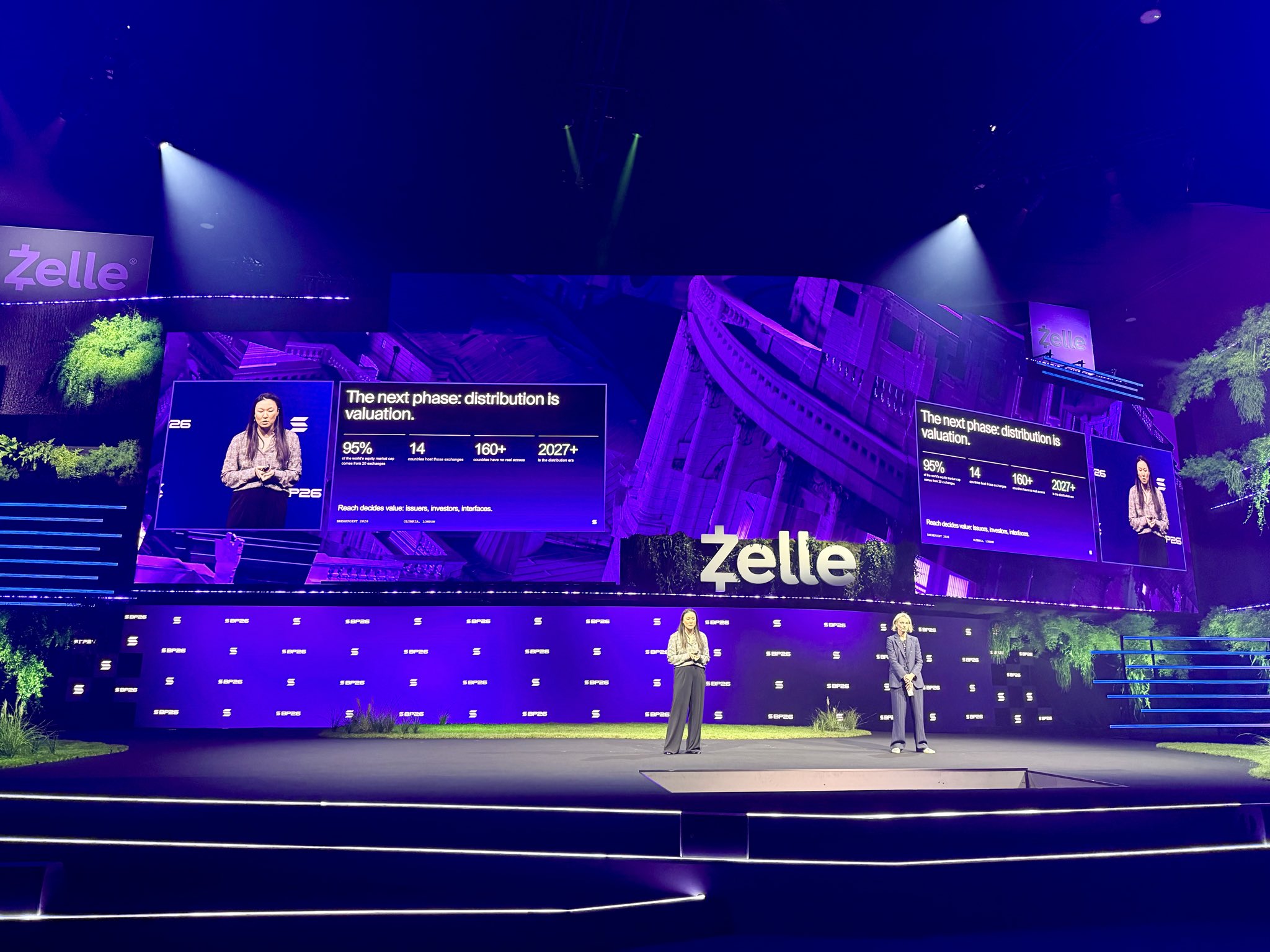


Insane community Solana has tbf, still had people show up to Breakpoint in these market conditions. Doubt any other ecosystem could’ve pulled that off.
3
8
849


Safe to say retail-wise, @blastdotfun will by far be the best platform launched on Sui in the last 2 years.


. @blastdotfun is about to make Sui No. 1.

People don’t have BTC for Hashi but they sure got $10 and a dream for @blastdotfun

ኔፋሪ retweeted

We’re getting closer to launch, and we’re excited to get @blastdotfun into your hands.
Since Asymptotic audited our bonding-curve launchpad, we’ve added presales and vaults. They’ll now audit every package.
First audit can be found here:
docs.blast.fun/audits/blast-…
Secondly, based on our security advisors’ guidance, we’ll cap TVL at $250K until the full audit is complete. Read more here: docs.blast.fun/security/#our…
Thanks to @AsymptoticTech for taking on the full audit, and to @GiveRep and @Eason_C13 for reviewing the expanded launch stack. GiveRep assessment
So no Chinese spy is trying to seduce any of the Sui founders?
I mean these guys are literally building the agentic future… any takers? @EvanWeb3 or @kostascrypto would be a good start btw.
2
12
712


ኔፋሪ retweeted
Whatever a society consistently rewards will eventually become its culture. People naturally gravitate towards behaviours that are celebrated, tolerated and rewarded. If a society rewards excellence, discipline and integrity, those values will become part of its culture. But if it rewards corruption, mediocrity, dishonesty and criminality, those too will become deeply embedded in its social fabric. A society’s culture is ultimately a reflection of what it chooses to reward and what it chooses to tolerate.