

The Georgetown University Center on Education and the Workforce (CEW) is a research and policy institute within Georgetown’s McCourt School of Public Policy.
Washington, DC
Joined May 2010
- Tweets21.3K
- Following2.7K
- Followers9K
- Likes14.8K


Pinned Tweet
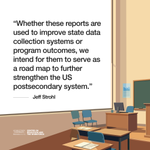
Our new three-report series helps policymakers, researchers, practitioners, and administrators better define, measure, and assess the value of postsecondary education and training. bit.ly/4zLIy7F

Young adults’ chances of getting a good job have declined, and economic opportunity is limited. Persistent gaps by race/ethnicity, class, and gender dampen American optimism about young people’s futures. bit.ly/39mn6ye bit.ly/3LPWgwa

There is still work to do to dismantle inequalities and structural barriers to prosperity in education. That failure is why unbiased, robust research that pulls back the curtains on our assumptions about upward mobility remains so important. Read more: bit.ly/47ymvEg

While we might expect a lack of economic opportunity in rural areas to be driving those areas’ lower labor-force participation rates, equal shares of urban and rural Americans say they are not in the labor force because they cannot find work. bit.ly/3SJZIxI

Persistent inequality in rural America hits members of racial/ethnic minority groups hardest. Black/African American, Hispanic/Latino, and Indigenous residents of rural areas have higher levels of poverty than their white counterparts. bit.ly/3SJZIxI
Today is National Boss’s day! Thanks to all of the incredible bosses that do the most to support their teams. The workplace would not be the same without you!
While increased postsecondary educational attainment would be helpful in rural redevelopment, we can't simply prescribe more college. Increasing rural postsecondary attainment requires addressing significant barriers to enrollment. bit.ly/3SJZIxI
States with large rural populations should join the 24 states that allow community colleges to award bachelor’s degrees and consider offering free programs to help combat rural education deserts. Find more recommendations in our report: bit.ly/3SJZIxI
Equity gaps in educational access stem from a long history of racial injustice in the United States. Take a moment to read our resources on equity and continue the dialogue about race in America. #HispanicHeritageMonth: bit.ly/2FUdhJ1

Certain financial realities—such as college costs and the high cost of living—put pressure on students to think carefully about how their choice of college major will affect their future earnings and financial security. bit.ly/4grhO2Y

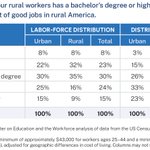
Those with lower levels of educational attainment fare better in the rural workforce than in urban areas, in part due to rural America’s blue-collar economy. Workers with a high school education hold 26% of good jobs in rural areas vs. 15% in urban areas. bit.ly/3SJZIxI

Rural Americans have a lower labor-force participation rate than urban Americans, but this doesn't suggest that they have less desire to work. To the contrary, rural adults may be less able to work due to illness or disability: bit.ly/3SJZIxI

A growing number of universities are waiving tuition entirely for families earning up to $250K. Along with cost, students and parents should also consider data on program earnings to ensure strong ROI. Learn more: @usnews
usnews.com/news/u-s-news-dec…

White workers hold a disproportionate share of good jobs in the rural workforce. Hispanic/Latino & Native Hawaiian/Pacific Islander workers are slightly more likely to have good jobs in rural areas than in urban areas, but their likelihood is low in both. bit.ly/3SJZIxI
As AI evolves, how will it affect the workplace? Understanding AI’s impact on the labor-market will require ongoing research on the value of credentials, as well as improved understanding of the knowledge and skills that credentials represent. bit.ly/47ymvEg
Our report about earnings and employment outcomes for 152 majors is intended to help students and their families make better-informed decisions about one of the most important investments they can make for their careers and futures. bit.ly/4grhO2Y
"The current debate about the value of college is important, as it challenges us to check our assumptions about the college-for-all movement."—CEW's Jeff Strohl talks about the challenges facing postsecondary education. More here: bit.ly/47ymvEg
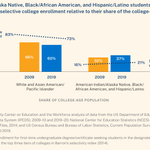
From 2009 to 2019, enrollment of historically underrepresented student groups at selective colleges and universities increased only slightly. This was driven largely by increases among Hispanic/Latino students. bit.ly/3JoPdvi

How does your major stack up? Our interactive data tool shows median earnings, grad school earnings premiums, and unemployment rates for 152 bachelor's degree majors. bit.ly/4grhO2Y
There is still work to do to dismantle inequalities and structural barriers to prosperity in education. That failure is why unbiased, robust research that pulls back the curtains on our assumptions about upward mobility remains so important. Read more: bit.ly/47ymvEg
With AI potentially creating a recession-like job market for recent graduates, colleges must step up to prepare workforce-ready students. CEW’s Zack Mabel suggests skill-building opportunities through on-campus jobs. Read more in @insidehighered: insidehighered.com/news/stud…
