

Defenders of Wildlife leads the pack in protecting and restoring America’s wildlife at risk of extinction.
Washington, DC
Joined July 2008
- Tweets26.7K
- Following3.1K
- Followers178K
- Likes14.4K





Pinned Tweet
America was shaped by the wild. And throughout history, we have recognized the importance of protecting wildlife and wild lands – this is our shared heritage.
While our country may not always see eye to eye, when it comes to our love for wildlife, we know we’re united.


Speeding vessels and choking fishing lines are causing preventable North Atlantic right whale deaths.
They need urgent and increased protective measures to stop this downward trend – each day without them pushes these critically endangered whales closer to extinction.
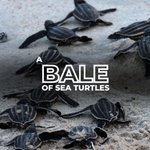
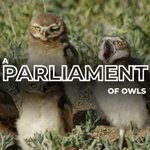
Sleuths, skulks, parliaments, kaleidoscopes and rafts – what do all these have in common? They are all groups of animals!
You’ve probably heard of a pack of wolves or a herd of bison, but there's many more wild names for animals when they get together.
(1/9)


Meet Bodie! He's a bison you can actually cuddle 🦬
Check out our Adoption Center to learn more: vist.ly/5trzg
Cool collar! No, it's not a fashion statement – it helps biologists in Florida track and collect data about panthers so we can tailor effective conservation strategies to their needs. (1/3)
Data from these collars help biologists locate dens and monitor kittens. When a panther hasn’t moved for a while, the collar emits a signal that alerts biologists that the cat may be injured or dead, so that biologists can help the animal or determine the cause of death. (2/3)
These pups should have had the chance to wrestle with their siblings, learn to hunt from their parents and howl at the moon with their packmates. Instead, Idaho wanted them gone.
As long as these threats continue, no wolf is safe.

ALT A dark gray wolf leaning over a log howling. Text "Is cruelty the point?" and "12 newborn wolf pups killed in Idaho, state paid hunters $2000 per kill," with "newborn" and "killed" highlighted in red and "$2000 per kill" is underlined. Photo credit to Oregon Department of Fish and Wildlife.
Have you ever heard of leucism?
The unique white fur of this baby deer is called leucism. Unlike albinism which affects all melanin production, leucism is a partial loss of all types of pigmentation. It can cause white coloration, patches, spots or splotches on the fur and skin.
Wildlife win!
🐾🧵(1/3)

ALT A black-footed ferret standing in foliage facing the camera. Text in red block "Wildlife Win!" and text in yellow blocks "Endangered black-footed ferrets secure critical win following public outcry." Credit to Ryan Hagerty/USFWS
Plans for an electric transmission line in Kansas will be rerouted to avoid a critical black-footed ferret recovery site. The Butte Creek ranches are home to some of the last remaining wild ferrets – with 10% of the entire population living on the site.
dfnd.us/48CKumh
