

Urgent Relief. Lasting Impact. On the front lines of the world’s greatest health challenges.
Everywhere
Joined December 2008
- Tweets16K
- Following2K
- Followers13.5K
- Likes10K






#DoOneThing for your mental health anytime, anywhere.
Click the link for 10 simple, guided exercises to connect with your creativity, your body, and your inner world.⬇️
youtube.com/playlist?list=PL…
There’s a lot going on in the world right now, so we’re here to share some spots of HOPE from our programs around the world.
Project HOPE CEO Rabih Torbay was recently in Venezuela and joined our local team to hand out hygiene kits to families.
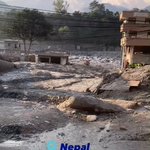
In Nepal, our team donated and built 12 hospital beds to support the hospital’s recovery efforts after the flash floods.
In San Antonio, Texas, Project HOPE partnered with The Health Collaborative to host a free health fair, providing primary care checkups and health education to tackle high rates of diabetes.
In Ukraine, we completed construction of a new family outpatient clinic, which will deliver quality care for over 8,000 residents in the surrounding district!
Just five snapshots from our global programs, but countless HOPEful stories of lives changed!


Drones overhead and continuous missile attacks shape daily life for the 60,000 people who remain in Kherson, Ukraine.
Project HOPE’s Pia Wanek visited the area and met with local health administrators and first responders to understand the ongoing needs. Half the city has been reduced to rubble, many of the most vulnerable residents have nowhere to go, and more than a dozen ambulances donated by Project HOPE have been struck by missiles.
Despite these challenges, the people of Kherson continue to support each other and show tremendous and inspiring resilience.
No mode of transportation is off limits!
When supplies are needed and communities are cut off, staying adaptable could be the difference between lives lost and lives saved. In Nepal, Project HOPE and our partners @VCNepal recently delivered medical kits by drone to a hard-to-reach area across the river after the recent flooding.
Over 90% of people with mental health issues never receive treatment.
That may be because of access issues, stigma, or a lack of qualified health workers, but with 1.2 BILLION people experiencing mental health challenges, this crisis reaches every community around the world. In times of crisis, like after back-to-back earthquakes in Venezuela, the need for urgent and long-term mental health care is crucial for survivors.
That’s why Project HOPE is expanding access to mental healthcare for health workers, refugees, migrants, new mothers, and people with chronic health conditions around the world.
Nearly every program and response includes mental health support. We understand that mental health is integral to primary healthcare, and our mental health experts are trained to help patients access the support they need to survive and thrive.
Today is #WorldMentalHealthDay – a perfect opportunity to #DoOneThing for your mental health or to support mental health care in your community!
projecthope.org/news-stories…
Months after earthquakes struck La Guaira, Venezuela, many families are a long way away from “normal.”
Medications are still far out of financial reach, mental health needs continue, and health centers are at unreachable distances. Our mobile medical units are still providing critical support, free of charge, delivering care and supplies directly to communities, but the impact is greater than just health. This access allows people to show up for their families and neighbors who are still navigating recovery.
Thank you @ihp_uk for your support in keeping these programs supplied.


2 BILLION people worldwide are living with a mental health disorder.
Mental health challenges affect people of every age, in every community, and in every country around the world. And the need for care is growing.
As we prepare to mark #WorldMentalHealthDay this week, Project HOPE will continue to expand access to mental healthcare for ALL, from health workers and refugees to new mothers and children living through crisis. Each program we develop and emergency we respond to includes mental health support, because we know it’s integral to primary health care.
What can you do to for yourself, your community, and people around the world?
Start here ➡️ bit.ly/4hMZN01
Photo One: James Buck. Photo Two: Nikita Hlazyrin. Photo Three: Matthew Khoury


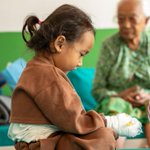
For children who lived through the Nepal flash floods or other disasters, processing their trauma and fear of future disasters is a serious mental health concern.
Radha is a community health worker trying to provide supportive, life-sustaining care to her community while it attempts to heal. She shared that her own son can’t sleep at night, repeatedly saying “it is coming,” through his distress and heavy sweating. Counseling is already helping patients, including children orphaned by the floods, but the need is tremendous.
Project HOPE and our partners have begun mental health trainings with local health workers, but we need support to ensure our longer-term presence in Nepal can help more patients in need.
#DoOneThing today to support mental health programs around the world.
Drop a 💙 in the comments if you think mental health care should be accessible to all and click the link to learn how else you can help ➡️ give.projecthope.org/page/FY…
Photos: Sandesh Tamang


We are honored and proud to share that Project HOPE has been awarded the 2026 Disability Inclusion Award from @InterActionOrg for our work in Ukraine to strengthen physical and mental rehabilitation systems and promote accessibility and inclusion amid one of the world’s largest war-driven disability crises. ⬇️
projecthope.org/news-stories…

Early detection significantly improves prostate cancer outcomes, yet disparities in screening and care persist across the country, especially for men who are uninsured or face barriers to accessing care.
Project HOPE is proud to launch a new initiative with the support of @Labcorp to expand prostate cancer screening, diagnostic follow-up and specialty care services in Madison, Wisconsin.
Read the full story: bit.ly/4dGRv8I

Malnutrition can hide in plain sight.
Nearly 1 in 4 children in the Philippines experiences stunting. For children in the poorest households, it’s more than 1 in 3. See how we’re strengthening nutrition care in Quezon City in our latest "5 Hunger Emergencies You Should Know" story. ⬇️
projecthope.org/news-stories…

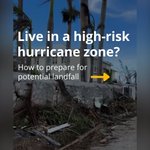
Hurricane activity in the weather report?
We've got your step-by-step preparation plan for five days leading up to potential landfall.
Make a plan, inform others, and stay safe!
projecthope.org/news-stories…


How it started ➡️ how it’s going 💙
From the S.S. HOPE’s first voyage in 1960 to our global programs in 2026, care may look different, but our mission is unchanged.
When the need is urgent, we are there, to transform health around the world and make it accessible for all. But we also work with local health workers and communities to bolster health systems and find lasting solutions to global health challenges. At our core is a shared humanity and compassion that stretches across the work we do. We believe that everyone deserves HOPE, that health is a fundamental human right, and that together we can strengthen access to care around the world.
Whether you’ve been here since 1960 or recently joined our online community, thank you for making our mission possible.
Photo Two: Sandesh Tamang


📍 Nepal.
The work continues to deliver urgently needed pharmaceuticals and medicines to keep lifesaving care operational in affected communities. Even when it means crossing the Trishuli River via a pulley system to deliver relief!
Our team and partners are navigating some of the most challenging terrain in the world to ensure communities have the support they need.
Stay up to date on our response: projecthope.org/news-stories…

Three weeks have passed since the deadly flooding in Nepal, and response teams are still operating in the most difficult conditions.
Mobile and internet connectivity is zero in many locations.
Many communities don't have running water.
Aid workers had to carry their own food so that they could serve these communities in need.
Your support is crucial to ensure our teams can stay in Nepal and continue to help impacted communities.
Give today: give.projecthope.org/page/FY…
Photos: Sandesh Tamang


The destruction was still moving nearly two months after the earthquakes in Venezuela, but our teammate Armand discovered both the urgent needs and the complex crisis developing for communities working towards rebuilding.
Older adults struggle to locate chronic illness medications, a pregnant woman who can no longer afford care after the economy slowed, and countless survivors face mental health challenges after living through trauma. Rebuilding will take time, but we will be there working with communities as long as the needs remain.
Read the full story now: bit.ly/46iTtYZ
“Some of them are feeling hopeless about the situation and don’t know what will happen,” said Project HOPE's Pamela Londoño, on communities in Colombia after the recent earthquake. “What they are in need of is a safe space to live. They are looking to recover their livelihoods. But also, they are in need of mental health and social-psych support.”
See the full story @WPLGLocal10: local10.com/news/world/2026/…

When the world feels dark, we’re turning to stories of HOPE for a happier, healthier world. Here are 3 good news moments from around the world with our Project HOPE team.
💙 After struggling to breastfeed newborn Emmanuel, Mireya attended a Project HOPE lactation workshop in Venezuela and quickly learned how to improve her baby’s latch.
💙 Across Gaza, Project HOPE clinics provide care and essential medications to nearly 500 patients per day.
💙 Project HOPE, in collaboration with Vilni Voiny, brought together dozens of veterans in Odesa, Ukraine to build community through adaptive sports.


"Emergency medical teams have reached flood-affected communities in Nuwakot and Rasuwa that remain difficult to access due to damaged roads, landslides and disrupted health services. The Partnership for Sustainable Development Nepal (PSDN), with support from Project HOPE, said 860 flood survivors had received medical care within the first four days of its emergency health camp operations." @thehimalayan
Read the full story: thehimalayantimes.com/nepal/…

In Chimborazo, Ecuador, many families raise livestock and grow their own food. 🐄🌾🐖🌽
Yet about 1 in 3 children under 5 experience chronic malnutrition.
Our new series explores the hunger crises you may not hear about, starting with Ecuador.⬇️ projecthope.org/news-stories…
