

Nonpartisan, nonadvocacy data and analysis. Follow us on Instagram, Facebook and LinkedIn or subscribe to our newsletters: https://xitter.cf/t.co/tawtYBr8Ef ✉️
- Tweets104K
- Following208
- Followers417K
- Likes1.2K
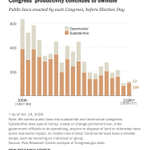



ALT Chart of number of public laws enacted by each Congress from the 100th Congress to 119th Congress.

ALT Americans hold a mix of positive and negative feelings about their financial situation

ALT Americans’ feelings about their personal financial situation differ widely buy income level

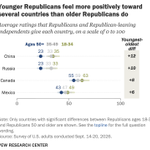
ALT Chart showing Republicans ages 18-34 feel more positively toward several countries than Republicans 50 and older do

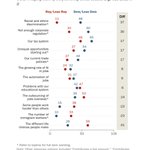
ALT Chart comparing how republican and democratic views of what factors contribute to economic inequality differ widely by party

ALT Chart comparing shares of U.S. adults who describe major and minor reasons for going to online communities.

ALT Chart ranking the most and least common topics that online communities focus on Text reads: It's most common to be part of online communities about hobbies, local area

ALT Chart of number of public laws enacted by each Congress from the 100th Congress to 119th Congress.

ALT Chart showing Trump’s approval rating from every religious group is lower now than at the beginning of his second term

ALT Chart showing that in nearly all religious groups, more people disapprove than approve of Trump’s job performance

ALT Share of Americans who say they do not have enough income, do not have rainy day funds, or cannot pay monthly bills by income level

ALT Chart showing Republicans are now nearly as likely to say Trump’s policies have hurt the economy as helped it.

ALT Chart comparing share of Americans who say the economic system needs to be rebuilt, minor changes, or major changes to address too much economic inequality

ALT Chart showing Conservative Republicans, liberal Democrats more likely to engage with news online than others in each party.

ALT Chart comparing which religions prefer democratic candidates or republican candidates for the U.S. House of Representatives Text reads: White evangelicals are the only group of registered voters in which a majority prefer GOP House candidates

ALT Chart comparing the wealth of upper income, middle income, and lower income households

ALT Share of Americans saying they had trouble paying for medical care, problems paying for daily transport, problems paying rent or mortgage, and got food from a food pantry by income level

ALT Chart showing Democrats have become more concerned about gas prices, weapons shortages due to Iran conflict.

ALT Chart showing widespread dislike of political leaders who support building data centers locally, particularly among Democratic voters.

ALT Chart of all adults showing Democrats are nearly twice as likely as Republicans to say there is too much economic inequality

ALT Chart comparing share of Americans who identify as part of an online community by age group.

ALT Chart showing gendered health topics are the primary place where men and women influencers diverge.